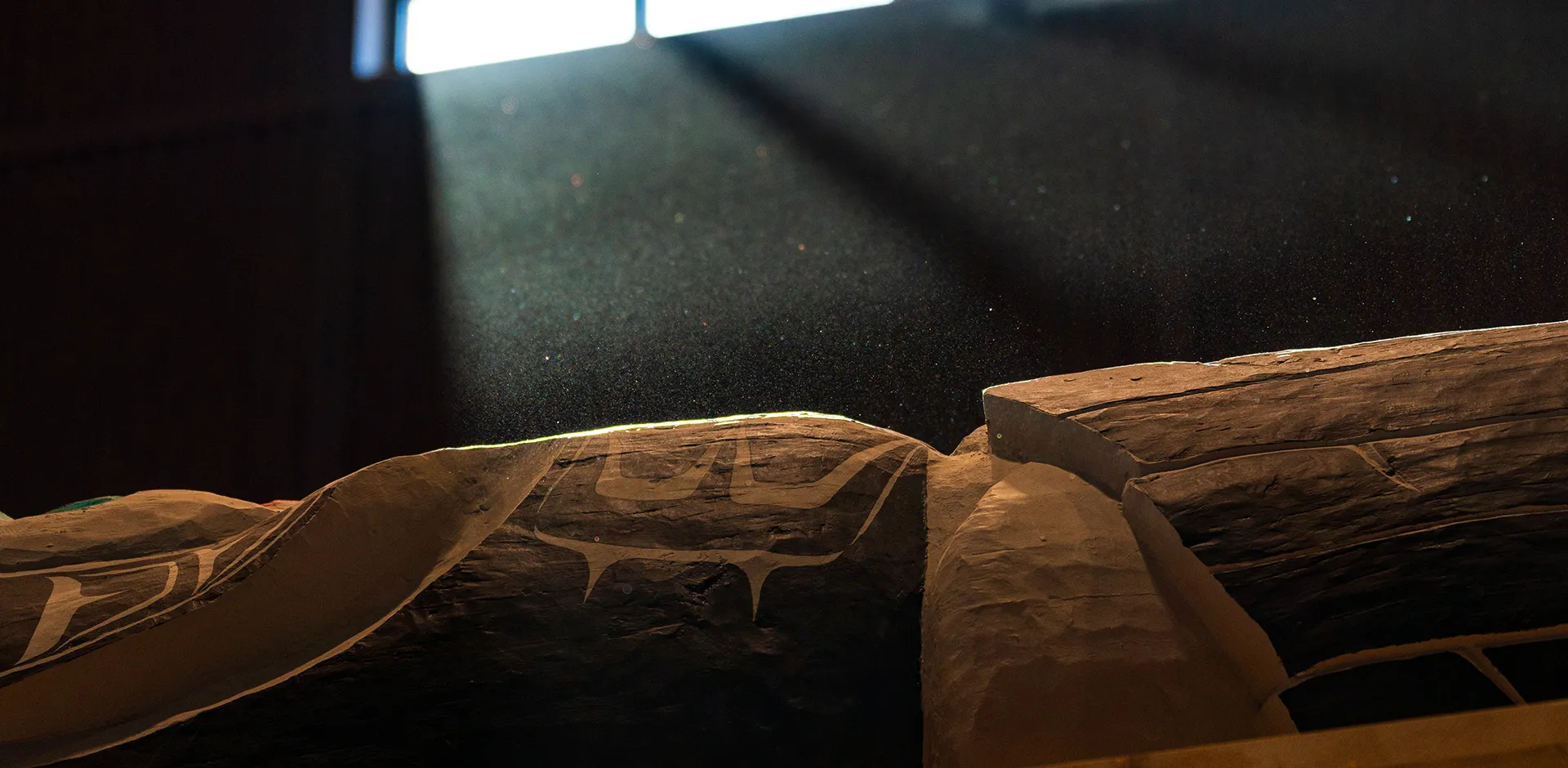


Wonder about Kalama’s Origins
Dive into Kalama’s fascinating history. In 1806, Lewis and Clark’s expedition called the area “Cath-la-haws,” “Calams,” or “Calamus.” By 1811, Gabriel Franchere, connected to John Astor’s Pacific Fur Company, mentioned a native village and river as Thla’kalamah. In 1851, US surveys settled on “Kalama” for the river, with maps later showing Kalama or Calama. In 1871, John Sprague of the Northern Pacific Railway named the town Kalama after the river, turning it into a lively hub for the transcontinental railroad. According to oral tradition, the name comes from John Kalama, a Hawaiian born in Maui in 1811, who worked for the Hudson’s Bay Company. He married Mary Martin of the Nisqually Tribe, and their son Peter’s descendants still belong to the Northwest tribes. In the 1870s, the railroad purchased 700 acres for Kalama’s terminus, drawing 5,000 residents, including 700 Chinese laborers. Trains reached Tacoma by 1874, but when the railroad’s headquarters moved there, Kalama’s population declined. Still, that rail line, tracing routes mapped by Lewis and Clark, boosted growth and helped Washington become a state.

Kalama Through the Years
Kalama’s origin has a history that expands beyond the print record. Indigenous peoples are the original stewards of Kalama lands and watersheds and have been present in this area since time immemorial. To learn more about the Cowlitz Indian Tribe, please visit their website.
Founding
1805
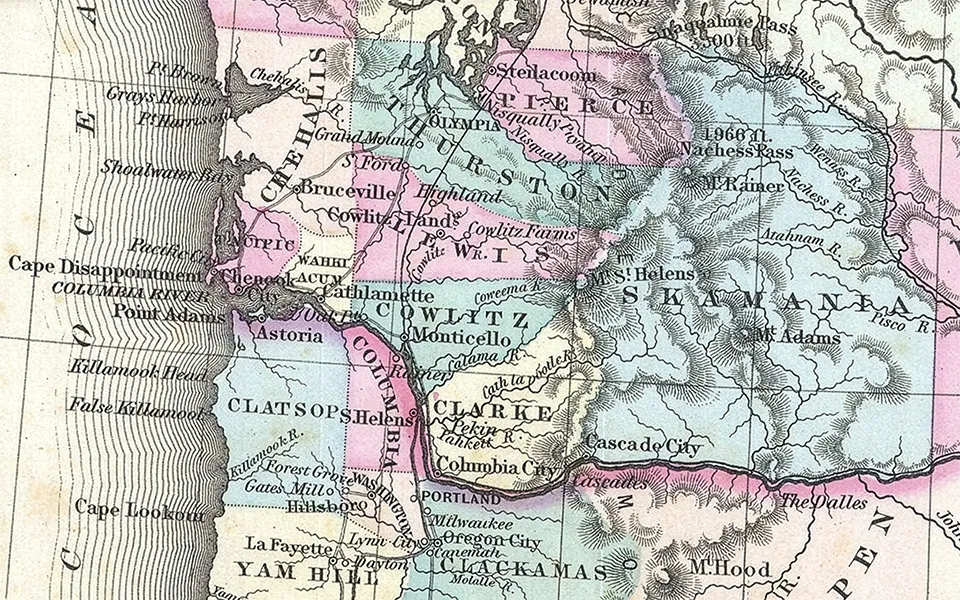
Lewis and Clark reference the Kalama area
Western explorers Lewis and Clark referenced the Kalama River in a journal entry around 1805, while traveling near the Columbia and Kalama Rivers.
1830
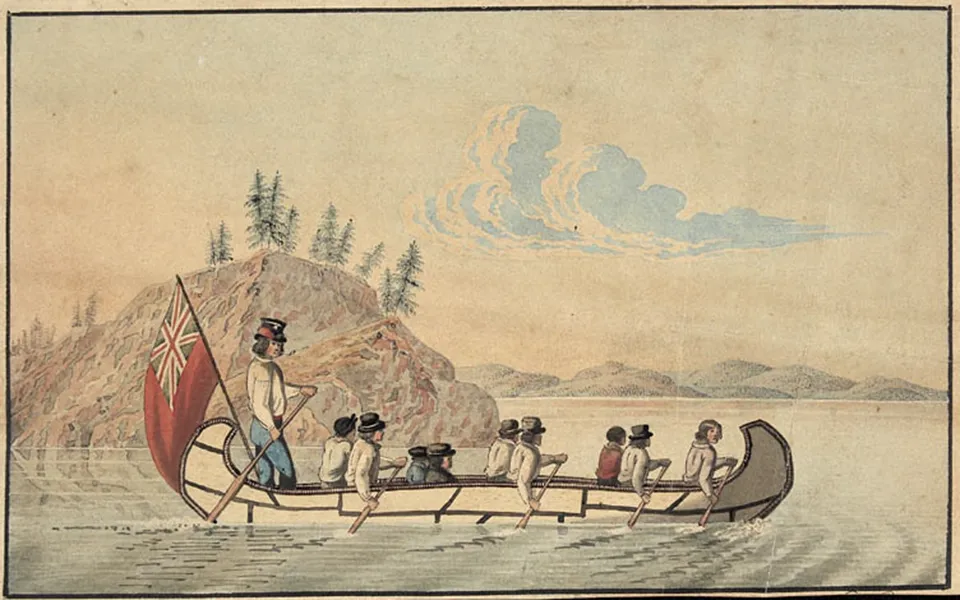
John Kalama arrives near Kalama
John Kalama arrives in the Kalama area by boat while working for the Hudson’s Bay Company. Kalama settled on the banks of the Kalama River Valley with his wife and son.
1853
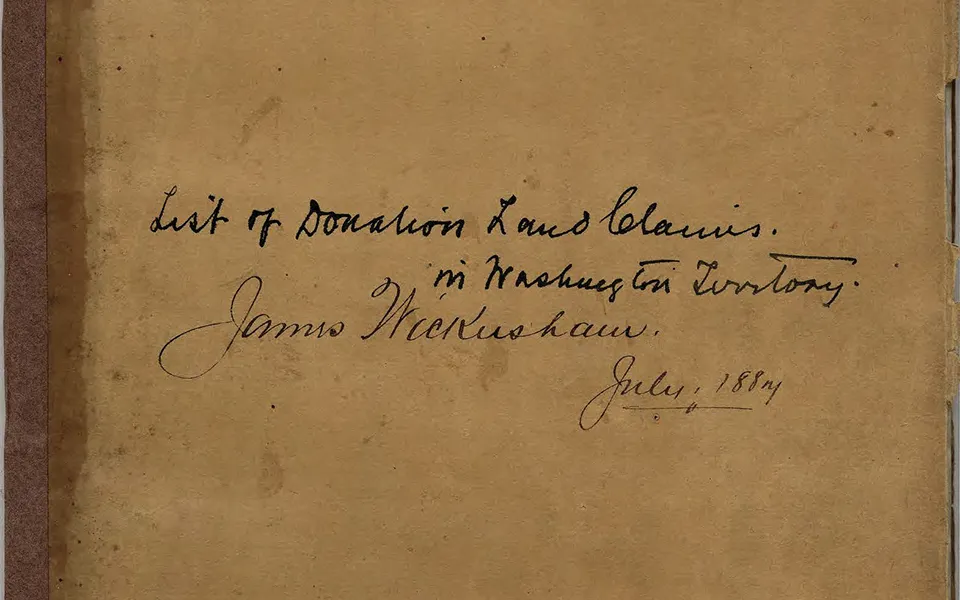
Ezra Meeker files Kalama Donation Land Claim
Pioneer of the northwest, Ezra Meeker staked a claim to a plot overlooking the Columbia River by filing the first “Kalama Proper” Donation land claim.
1870
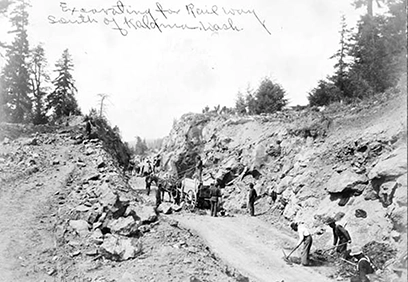
Railroad construction in Kalama begins
Kalama is selected as the Pacific terminus of the Northern Pacific railroad, and crews begin driving the first railroad spikes into Kalama soil.
1871
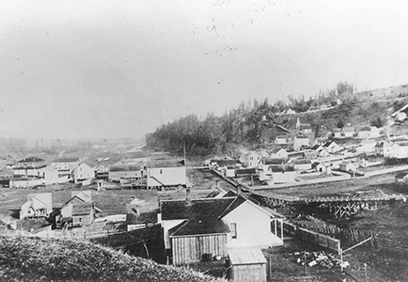
Kalama incorporates
Kalama’s population spikes when workers arrive for the construction of the Northern Pacific Railway, bringing a rumored three thousand people to the area.
1872
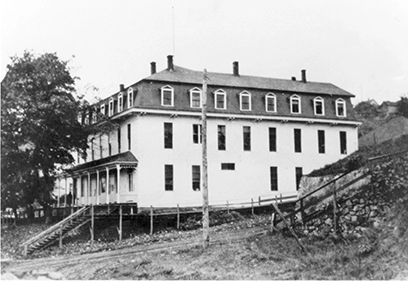
Kalama becomes the County Seat
Kalama’s newfound fame with the construction of the railway made it the prime location to become the next county seat, after citizens voted to move it from Freeport.
1873
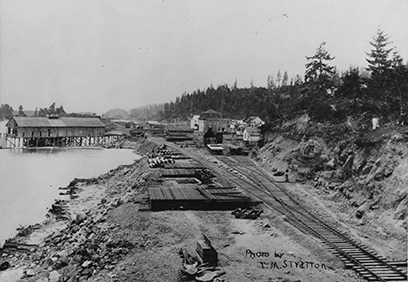
Railroad complete, terminus leaves town
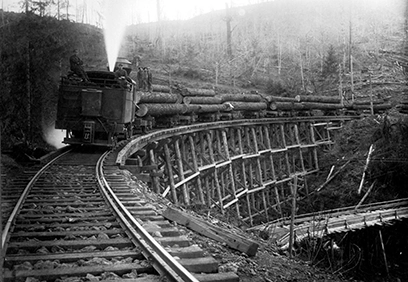
Known as the “Panic of 1873,” the Northern Pacific Railway moved the Pacific terminus to Tacoma after it completed the line in Kalama, taking the rail jobs with it.
1875
Kalama un-incorporates
The population drops from thousands to one hundred residents due to the railhead’s change, leaving the town unstable and causing its un-incorporation.
1877
Kalama Fire
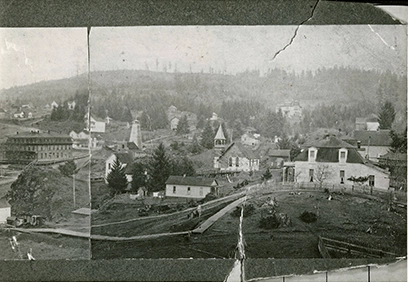
The first major fire to sweep downtown. Kalama’s population was already on the decline, but this fire wiped out most of the original business district, leaving the remaining residents to rebuild.
1883
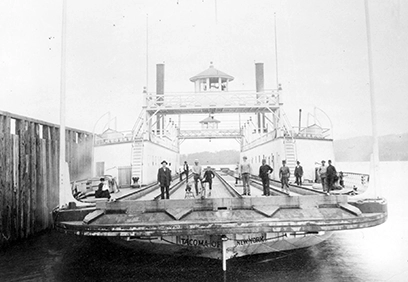
Train Ferry “Tacoma” (originally Kalama) transports across the Columbia
The railroad ferry “Tacoma” transported train cars, industrial equipment, and people across the Columbia River, becoming the main economic driver for the town post rail construction.
1889
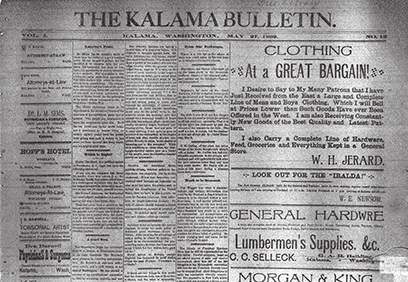
Kalama Bulletin starts
Founded by the respected Imus family, the Kalama Bulletin reported local findings for more than 50 years, playing a key political role in the county seat elections.
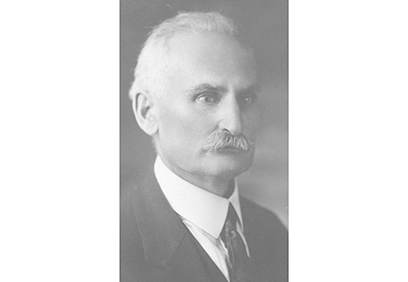
1890
Kalama re-incorporates post-statehood
Kalama re-incorporates as a city one year after Washington receives statehood. Hite Imus is elected as the town’s first official mayor, serving for a decade.
Statehood
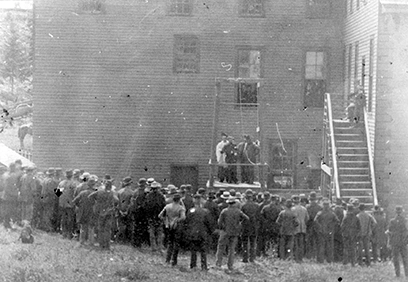
1892
Robert Day Hanging
The first public hanging to occur in Kalama as the newly elected county seat. The hanging occurred at the courthouse, previously known as “Kazano House,” and had most of the town in attendance.
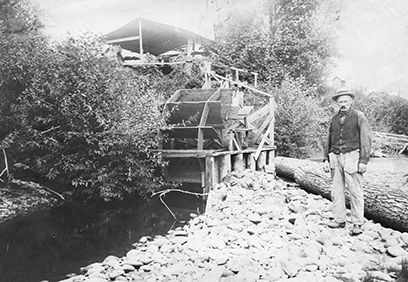
1895
Lower Kalama River Fish Hatchery
The first salmon fish hatchery in the state of Washington opened on the banks of the Kalama River to ensure fish spawning habitats during a time of major power and logging development.
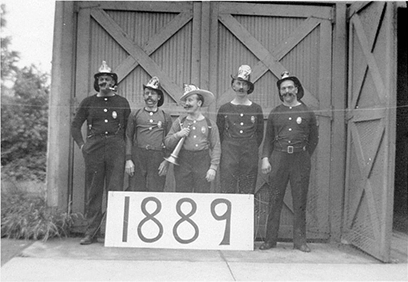
1899
Kalama Fire Department forms
Kalama Fire Department charter members signed their official constitution in May, with ten members necessary for creation.
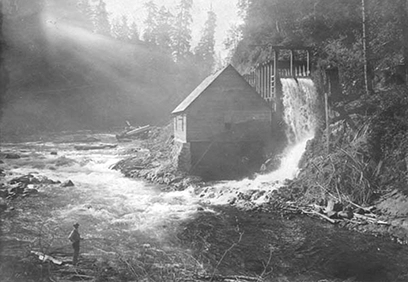
1903
Kalama Electric Light and Power Company starts on the Kalama River
The first electrical power company in Cowlitz County pushes water on the Kalama River, supplying power to Woodland, Rainer, Kelso, Goble, and Kalama.
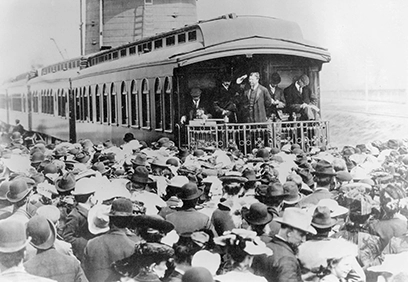
1903
President Roosevelt “Whistlestop”
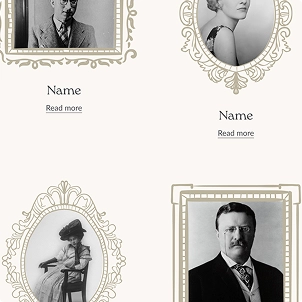
President Theodore “Teddy” Roosevelt makes a 15-minute whistle-stop speech from his train in Kalama, declaring the development and impact that will occur in the years to come.
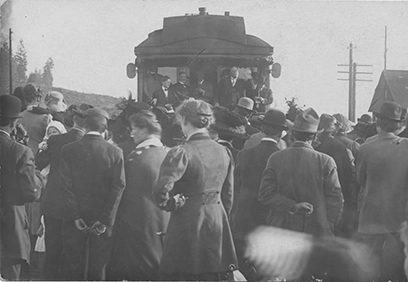
1911
President Taft stops
Back-to-back presidential trips out west brought successor President William Howard Taft to the Kalama Railway, and he spoke to residents during his campaign.
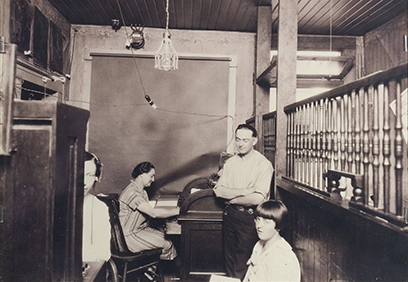
1913
Kalama telephone gets new switchboard, capacity for 200 lines
The newly incorporated Kalama Telephone Company expands its coverage by purchasing a new switchboard with capacity for 200 lines, used until 1954.
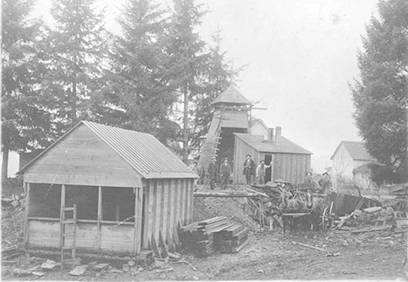
1915
Dr. Darnell strikes Gold
A flurry of excitement brought miners to the area after Dr. Darnell struck gold on his property at the turn of the century, but excitement quickly died out when production costs to mine became too high.
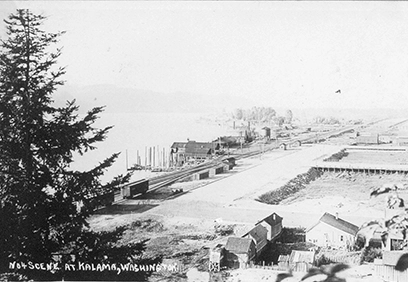
1920
Port of Kalama is formed
After decades of industrial work on the Columbia River waterfront, Kalama advocates for port creation and is granted recognition in 1920, as the second public port on the Columbia River.
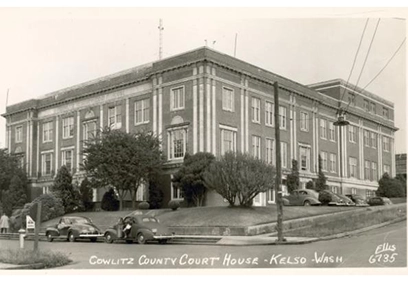
1922
Kalama loses the County Seat
After more than six hotly contested elections, Kalama lost the county seat to Kelso in 1922, which led to scathing coverage from the Kalama Bulletin against Kelso.
Innovation
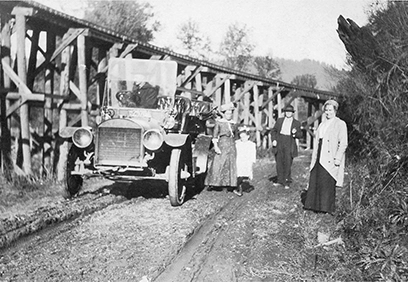
1922
Pacific Highway 99 built
At the turn of the century, Kalama’s First Street became a recognized highway as construction for Pacific Highway 99 began a decade before, and a new steel bridge over the Kalama River solidified the roadway.
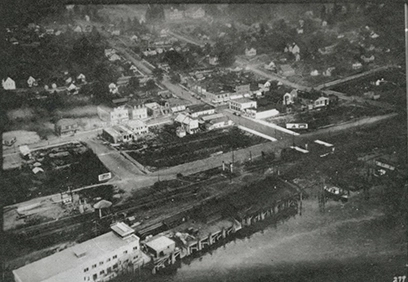
1923
Kalama Fire
One of the largest fires in downtown history, the 1923 blaze burned through multiple businesses, including a bar, a hotel, and various commodity stores.
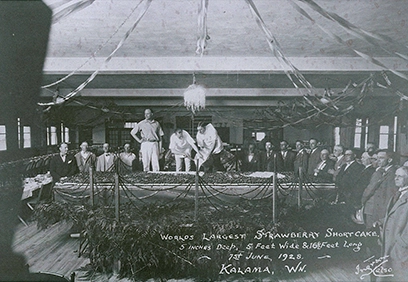
1928
Kalama makes World’s Largest Strawberry Shortcake
Kalama’s southside “Cloverdale” neighborhood is famous for the acres of strawberry fields that used to cover the hills, and in honor, residents baked a record strawberry shortcake to celebrate the season.
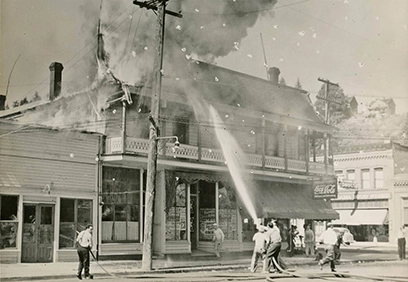
1938
Kalama Fire
A memorable fire for Kalama’s downtown businesses, as the 1938 fire took the top off the Fogarty building, an iconic multi-use building that was able to salvage the bottom floor convenience store.
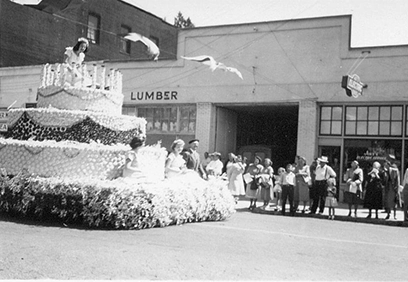
1939
First Strawberry Festival
Kalama celebrates its fruitful strawberry season by beginning the tradition of the strawberry festival, consisting of a downtown parade and a collection of children to make up the strawberry court.
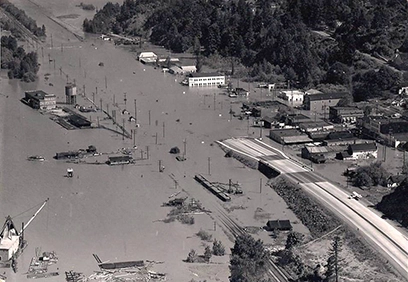
1948
Flood
In May of 1948, the Columbia River surged over its banks and submerged downtown Kalama in three feet of water; it was the worst flooding to hit the town since 1894. Water levels rose multiple feet, washing away roads, homes, and businesses.
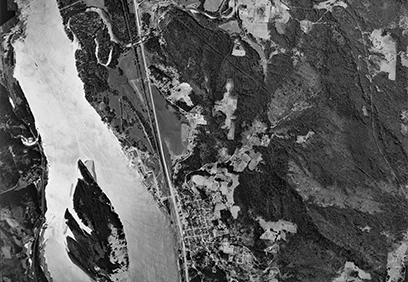
1951
I-5 construction wraps
The Washington State Legislature authorized funding to expand Pacific Highway 99 to create a four-lane highway, with the first section of construction occurring in Kalama, paving the way for Interstate 5.
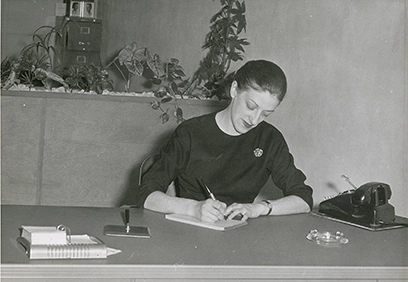
1960
Joanna Boatman elected first female mayor
Lifetime Kalama resident Joanna Boatman is elected as the first female mayor of Kalama at the age of 28 and won re-election the following term.
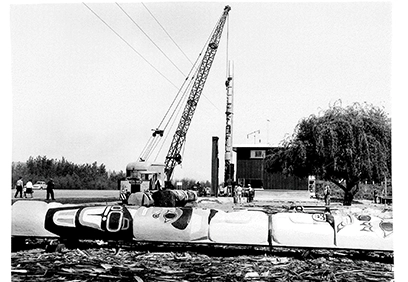
1974
Lelooska Totem Pole placed
What is now one of the city’s most iconic symbols, the 140-foot giant was raised on the Columbia River waterfront and remained standing for 45 years before being removed, restored, and now housed in the Mountain Timber Market.
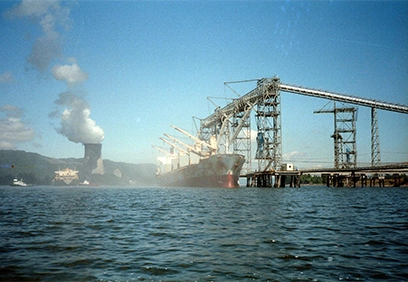
1983
Kalama Export
The Peavey grain elevator, now Kalama Export (KEX), was initially a $50 million project from a public-private partnership with Peavey Grain Company. Launching a capacity of 5 million tons, it has continued growing with two upgrades over the last forty years.
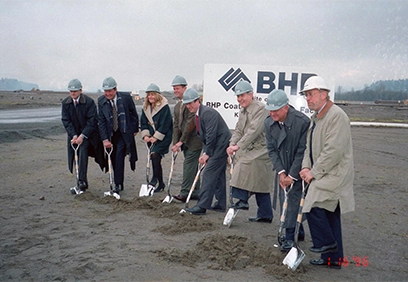
1997
BHP/Steelscape
Steelscape, formerly known as BHP, expanded its operations after 30 years and relocated to the Port of Kalama. Steelscape is the leading West Coast manufacturer of coated and painted metal for construction products.
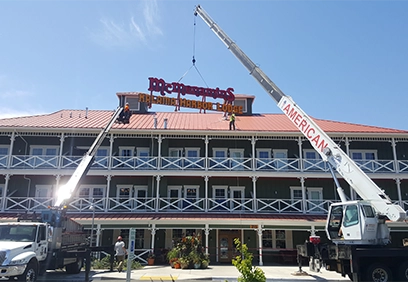
2018
McMenamins
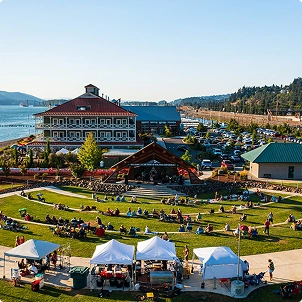
The McMenamins Kalama Harbor Lodge is modeled after the Pioneer Inn in Lahaina, Maui, paying tribute to the town’s foundational Hawaiian heritage, with the lodge now bringing in travelers from the interstate.